Instruction / Curriculum

Instruction / Curriculum

Instructional and curriculum platforms help educators plan, deliver, adapt, and evaluate standards-aligned learning experiences.

They may provide curriculum maps, lessons, digital resources, practice, feedback, intervention, enrichment, and collaboration while giving teachers flexibility to respond to learner strengths, needs, language, and accessibility.

What these systems support

  • Standards alignment, curriculum maps, pacing, lessons, and resources
  • Student practice, differentiation, intervention, enrichment, and feedback
  • Teacher collaboration, usage insights, progress evidence, and content governance

Note: SDLA does not endorse or resell any of the systems listed on this site.

201 results - showing 121 - 140
« 1 2 3 4 5 6 7 8 9 10 »
How a Minecraft Lab supports equitable STEM learning in Duval County Schools

Product Details

Overview
Creative Tool Game-Based Learning Grades K–12

Minecraft Education is Microsoft’s education edition of Minecraft with classroom controls and lesson resources. It is intended primarily for K–12 learners participating in teacher-designed game-based lessons, with students, teachers, instructional coaches, library/media staff, and technology teams using it to support collaboration, computational thinking, design, simulation, creativity, and cross-curricular problem solving.

Students build models, solve challenges, code agents, collaborate in shared worlds, and document learning within teacher-facilitated activities. Districts should evaluate how the product fits adopted curriculum, student needs, instructional time, and the work educators must do around it.

Mosa Mack Explainer Video

Product Details

Overview
Core/Supplemental Curriculum Science Grades 4–8

Mosa Mack Science is an inquiry-based digital science curriculum organized into lesson cycles. It is intended primarily for upper-elementary and middle-school science learners, with students, science teachers, interventionists, and curriculum leaders using it to support phenomena, inquiry, argumentation, modeling, and three-dimensional science learning.

Students investigate mysteries through multimedia, discussion, hands-on activities, engineering tasks, and assessment. Districts should evaluate how the product fits adopted curriculum, student needs, instructional time, and the work educators must do around it.

Mastering A&P Walk-through

Product Details

Overview
Higher-Education Courseware Multi-Subject Grades 11–12+

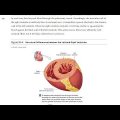
Pearson MyLab is Pearson’s family of discipline-specific online courseware products. It is intended primarily for advanced high-school, dual-enrollment, and postsecondary learners, with students, course instructors, dual-enrollment staff, and administrators using it to support publisher course content, homework, assessment, tutorials, and gradebook workflow.

Students use the MyLab associated with a textbook or course for assignments, practice, tutorials, tests, and feedback. Districts should evaluate how the product fits adopted curriculum, student needs, instructional time, and the work educators must do around it.

Why are the Olympic Games so popular?

Product Details

Overview
Core/Supplemental Curriculum Elementary Science Grades K–5

Mystery Science is Discovery Education’s elementary science lesson program. It is intended primarily for elementary science learners, with elementary teachers, students, curriculum leaders, and families using it to support phenomena, inquiry, discussion, hands-on investigation, and science explanation.

Teachers use short videos, guiding questions, discussion, readings, and low-preparation hands-on activities organized into standards-connected units. Districts should evaluate how the product fits adopted curriculum, student needs, instructional time, and the work educators must do around it.

Product Details

Overview
Core Curriculum Social Studies Grades K–8

myWorld Interactive is Savvas’s interactive elementary and middle-grades social-studies curriculum. It is intended primarily for elementary and middle-grade social-studies learners, depending on the adopted course, with students, social-studies teachers, multilingual-learner staff, and curriculum leaders using it to support history, geography, civics, economics, inquiry, reading, and source analysis.

Students use print and digital lessons, maps, primary sources, videos, activities, writing, and assessment within a grade-level course. Districts should evaluate how the product fits adopted curriculum, student needs, instructional time, and the work educators must do around it.

Unlikely Animal Friends Full Episode 🐷🐴 🐱 | Love at First Sight | @natgeokids

Product Details

Overview
Supplemental Content Science & Geography Grades K–8

National Geographic Kids is a public children’s media website rather than a district curriculum product. It is intended primarily for children in elementary and middle grades exploring animals, science, geography, cultures, and current topics, with students, teachers, librarians, and families using it to support background knowledge, informational reading, curiosity, visual literacy, and research.

Learners read articles, view images and videos, play topic games, and explore high-interest nonfiction independently or as part of teacher-designed lessons. Districts should evaluate how the product fits adopted curriculum, student needs, instructional time, and the work educators must do around it.

How Nearpod helps educators see every student

Product Details

Overview
Instructional Platform Interactive Lessons Grades K–12

Nearpod is Renaissance’s interactive lesson, activity, and content platform. It is intended primarily for K–12 learners participating in live or self-paced lessons, with students, teachers, coaches, and curriculum administrators using it to support interactive lesson delivery, formative assessment, multimedia, and student participation.

Teachers combine slides, media, simulations, questions, collaboration, and virtual experiences and review responses during or after lessons. Districts should evaluate how the product fits adopted curriculum, student needs, instructional time, and the work educators must do around it.

How to Assign Content in Newsela

Product Details

Overview
Differentiated Text Cross-Curricular Grades 3–12

Newsela is a differentiated instructional-content platform with leveled texts and subject collections. It is designed primarily for upper-elementary through high-school learners reading at varied levels across ELA, science, social studies, and current events, with students, teachers, curriculum leaders, multilingual-learner staff, and interventionists using it to support knowledge building, disciplinary literacy, current events, vocabulary, and text-dependent response.

Teachers assign articles and text sets at accessible levels, connect reading to standards or curriculum topics, and use quizzes, writing, annotations, and reports to guide instruction. The product should be evaluated for the specific learners, instructional setting, and intensity of support a district intends—not simply as another source of digital activities.

NoRedInk's Assignment Library

Product Details

Overview
Writing Practice Grammar Grades 5–12

NoRedInk is an adaptive writing and language practice platform. It is intended primarily for upper-elementary through high-school writers, with students, ELA teachers, interventionists, and writing instructors using it to support grammar, conventions, sentence structure, revision, writing practice, and diagnostic instruction.

Students complete personalized practice and writing tasks while teachers assign skills, review misconceptions, and use diagnostic information for instruction. Districts should evaluate how the product fits adopted curriculum, student needs, instructional time, and the work educators must do around it.

Introducing Nystrom World

Product Details

Overview
Supplemental Curriculum Social Studies Grades K–12

Nystrom World is Social Studies School Service’s digital platform for Nystrom geography and social-studies resources. It is intended primarily for K–12 social-studies learners using Nystrom maps, atlases, lessons, or digital resources, with students, social-studies teachers, curriculum leaders, and multilingual-learner staff using it to support geography, history, civics, map literacy, spatial reasoning, and inquiry.

Students use interactive maps, atlases, lessons, primary sources, activities, and assessment connected to licensed programs. Districts should evaluate how the product fits adopted curriculum, student needs, instructional time, and the work educators must do around it.

How to Search OER Commons

Product Details

Overview
Open Educational Resources Teacher Resource Grades K–12+

OER Commons is ISKME’s public digital library and collaboration platform for open educational resources. It is intended primarily for educators and learners finding openly licensed instructional materials, with teachers, curriculum teams, librarians, students, and professional-learning staff using it to support resource discovery, adaptation, collaboration, open licensing, and curriculum development.

Users search, evaluate, organize, adapt, create, and share resources and collections under varied open licenses. Districts should evaluate how the product fits adopted curriculum, student needs, instructional time, and the work educators must do around it.

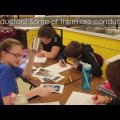
Inside an OpenSciEd Classroom

Product Details

Overview
Open Core Curriculum Science Grades K–12

OpenSciEd is a nonprofit open-source science curriculum initiative. It is intended primarily for elementary through high-school science students, with released courses varying by grade band, with science teachers, students, curriculum leaders, and professional-learning staff using it to support phenomena-driven inquiry, modeling, explanation, argumentation, and three-dimensional science learning.

Students investigate coherent phenomena through discussion, hands-on work, data, models, readings, and explanation while teachers facilitate sensemaking rather than deliver isolated facts. Districts should evaluate how the product fits adopted curriculum, student needs, instructional time, and the work educators must do around it.

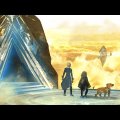
Ozaria Launch Trailer

Product Details

Overview
Core/Supplemental Curriculum Computer Science Grades 6–8

Ozaria is CodeCombat’s narrative middle-school computer-science curriculum. It is intended primarily for middle-school learners beginning computer science, with students, computer-science teachers, classroom teachers, and curriculum leaders using it to support python programming, computational thinking, problem solving, and digital citizenship.

Students learn Python through story-based coding challenges, projects, collaborative activities, and teacher-led lessons. Districts should evaluate how the product fits adopted curriculum, student needs, instructional time, and the work educators must do around it.

What is Padlet?

Product Details

Overview
Teacher Tool Collaboration Grades K–12

Padlet is a flexible visual collaboration and publishing canvas. It is intended primarily for K–12 learners contributing text, media, links, files, maps, timelines, and discussion posts, with students, teachers, librarians, coaches, and school teams using it to support collaboration, brainstorming, curation, formative response, discussion, and publishing.

Teachers create moderated boards and structured activities while students post, organize, comment on, and respond to multimodal content. Districts should evaluate how the product fits adopted curriculum, student needs, instructional time, and the work educators must do around it.

Paper Reading

Product Details

Overview
Reading Practice Oral Fluency Grades K–8

Paper Reading is Paper’s speech-enabled reading practice product, formerly Readlee. It is intended primarily for elementary and middle-grade readers practicing oral reading, with students, teachers, reading specialists, interventionists, and administrators using it to support oral-reading practice, phonics, fluency, engagement, and progress information.

Students read assigned or self-selected text aloud, receive automated feedback and rewards, and generate activity information for educators. Districts should evaluate how the product fits adopted curriculum, student needs, instructional time, and the work educators must do around it.

Why Parlay?

Product Details

Overview
Discussion Tool Academic Discourse Grades 6–12+

Parlay is a platform for written and verbal academic discussion. It is intended primarily for secondary and postsecondary learners participating in structured discussions, with students, teachers, debate coaches, and content-area educators using it to support discussion, argumentation, evidence, reflection, peer feedback, and participation.

Teachers launch roundtables with prompts and resources, students contribute and respond, and educators use rubrics and participation information. Districts should evaluate how the product fits adopted curriculum, student needs, instructional time, and the work educators must do around it.

Introducing Pear Deck Learning

Product Details

Overview
Teacher Tool Formative Assessment Grades K–12

Pear Deck is an interactive lesson-delivery add-on for Google Slides and Microsoft PowerPoint. It is designed primarily for K–12 learners participating in teacher-led or student-paced interactive presentations, with classroom teachers, students, instructional coaches, and administrators using it to support active participation, checks for understanding, discussion, and formative assessment.

Teachers embed questions, drawing, draggable responses, polls, and prompts into presentations and view student responses during or after instruction. The product should be evaluated for the specific learners, instructional setting, and intensity of support a district intends—not simply as another source of digital activities.

TutorMe - A demonstration of what the service is like

Product Details

Overview
Online Tutoring On-Demand Support Grades 6–12+

Pear Deck Tutor is a 24/7 online tutoring service formerly called TutorMe. It is designed primarily for secondary and postsecondary learners seeking one-to-one academic help, with availability varying by contract and subject, with students, tutors, teachers, counselors, and program administrators using it to support live tutoring, writing feedback, homework support, and just-in-time academic assistance.

Students connect with tutors through live audio/video, chat, whiteboard, screen-sharing, subject tools, or asynchronous writing review while administrators can inspect session activity. The product should be evaluated for the specific learners, instructional setting, and intensity of support a district intends—not simply as another source of digital activities.

Product Details

Overview
Supplemental Practice Collaborative Learning Grades K–12

Pear Practice is the Pear Deck Learning practice product formerly called Giant Steps. It is intended primarily for K–12 learners completing teacher-created or standards-aligned practice, with students, teachers, interventionists, and instructional coaches using it to support retrieval practice, feedback, differentiation, and collaborative class routines.

Teachers turn existing materials into practice sets, assign independent work, or facilitate collaborative whole-class practice and review results. Districts should evaluate how the product fits adopted curriculum, student needs, instructional time, and the work educators must do around it.

Prodigy Math | Defeat the Puppet Master and save the Academy!

Product Details

Overview
Game-Based Practice Mathematics Grades 1–8

Prodigy Math is a game-based mathematics practice platform. It is intended primarily for elementary and middle-grade mathematics learners, with students, teachers, interventionists, and families using it to support standards-based math practice, motivation, assignment, and adaptive review.

Students answer mathematics questions to progress through a fantasy game while teachers assign skills and review performance reports. Districts should evaluate how the product fits adopted curriculum, student needs, instructional time, and the work educators must do around it.

201 results - showing 121 - 140
« 1 2 3 4 5 6 7 8 9 10 »