Instruction / Curriculum

Instruction / Curriculum

Instructional and curriculum platforms help educators plan, deliver, adapt, and evaluate standards-aligned learning experiences.

They may provide curriculum maps, lessons, digital resources, practice, feedback, intervention, enrichment, and collaboration while giving teachers flexibility to respond to learner strengths, needs, language, and accessibility.

What these systems support

  • Standards alignment, curriculum maps, pacing, lessons, and resources
  • Student practice, differentiation, intervention, enrichment, and feedback
  • Teacher collaboration, usage insights, progress evidence, and content governance

Note: SDLA does not endorse or resell any of the systems listed on this site.


201 results - showing 21 - 40
« 1 2 3 4 5 6 7 8 9 10 »
Details
Audacity Step-by-Step Tutorial for Beginners

Product Details

Overview
Creative Tool Audio Production Grades 6–12+

Audacity is a free open-source desktop audio editor rather than an education curriculum product. It is intended primarily for secondary and adult learners creating or editing audio, with students, teachers, media staff, podcasters, and music-technology programs using it to support audio recording, editing, podcasting, sound design, and digital-media production.

Learners record, cut, mix, process, and export audio for podcasts, oral histories, language practice, music, and multimedia projects. Districts should evaluate how the product fits adopted curriculum, student needs, instructional time, and the work educators must do around it.

How To Use Audible For Beginners | Audible Tutorial 2026

Product Details

Overview
Audiobooks Supplemental Content All Ages

Audible for Kids is Audible’s commercial and free-listen audiobook services rather than a school curriculum. It is intended primarily for children and adolescents choosing age-appropriate audiobooks, with content extending to adults, with students, families, teachers, and librarians using it to support listening comprehension, literature access, vocabulary, and reading engagement.

Learners listen to narrated books and spoken-word content for independent reading support, enrichment, accessibility, or family engagement. Districts should evaluate how the product fits adopted curriculum, student needs, instructional time, and the work educators must do around it.

How to Teach with Banzai—Teacher Account Demo

Product Details

Overview
Banzai is a financial and life-literacy curriculum platform for schools. It uses interactive simulations, games, lessons, assessments, articles, and teacher resources to help students practice budgeting, saving, borrowing, banking, insurance, taxes, consumer decisions, and other personal-finance skills.
The program can support college and career readiness by preparing students for financial decisions after high school, but it is not a planning, counseling, application, or pathway-management system. Banzai is commonly made available to schools through sponsorships from local financial institutions and supports common school login and rostering services.
What is Belouga & How Does it Work?

Product Details

Overview
Project-Based Learning Global Education Grades K–12

Belouga is a global-content, project, portfolio, and collaboration platform. It is intended primarily for K–12 learners exploring global issues through media and projects, with students, teachers, families, and global-learning partners using it to support curiosity, cultural awareness, project-based learning, storytelling, and collaboration.

Learners explore vetted stories, reflect on global questions, create projects, and share work within managed communities. Districts should evaluate how the product fits adopted curriculum, student needs, instructional time, and the work educators must do around it.

Biblionasium Demo with Shannon McClintock Miller

Product Details

Overview
Reading Community Independent Reading Grades 2–8

Biblionasium is a moderated social reading and book-discovery platform for children. It is intended primarily for elementary and middle-grade independent readers, with students, teachers, librarians, and families using it to support book discovery, reading logs, reviews, recommendations, and reading motivation.

Students build bookshelves, record reading, write reviews, recommend titles, and participate in teacher-managed reading activities. Districts should evaluate how the product fits adopted curriculum, student needs, instructional time, and the work educators must do around it.

Big Ideas Math - Rigor, Fluency and Application

Product Details

Overview
Core Curriculum Mathematics Grades 6–12

Big Ideas Math is Big Ideas Learning’s print and digital mathematics curriculum. It is intended primarily for middle- and high-school mathematics students, with some programs extending to elementary grades, with math teachers, students, coaches, and curriculum leaders using it to support conceptual understanding, procedural fluency, problem solving, modeling, and secondary course sequences.

Teachers use sequenced lessons, examples, explorations, practice, assessment, and digital tools across courses from middle-grade mathematics through advanced high school. Districts should evaluate how the product fits adopted curriculum, student needs, instructional time, and the work educators must do around it.

How to Use Book Creator

Product Details

Overview
Creative Tool Multimodal Literacy Grades K–12

Book Creator is a digital book-authoring and publishing environment. It is intended primarily for K–12 learners creating books, portfolios, comics, reports, and multimedia explanations, with students, teachers, special educators, multilingual-learner staff, and librarians using it to support writing, multimodal composition, accessibility, student voice, and demonstration of learning.

Students combine text, drawing, images, audio, video, links, and accessibility supports to create individual or collaborative publications. Districts should evaluate how the product fits adopted curriculum, student needs, instructional time, and the work educators must do around it.

BookNook Application & Interview Process

Product Details

Overview
High-Impact Tutoring Reading & Math Grades K–8

BookNook is a live high-impact tutoring service and instructional platform. It is intended primarily for K–8 students receiving targeted reading or mathematics support, with students, tutors, intervention leaders, teachers, and administrators using it to support synchronous small-group tutoring, intervention lessons, progress monitoring, and learner confidence.

Students meet consistently with tutors in one-to-one or small groups using structured reading or math lessons and shared online tools. Districts should evaluate how the product fits adopted curriculum, student needs, instructional time, and the work educators must do around it.

Vocabclass Student Overview

Product Details

Overview
Reading Motivation Independent Reading Grades K–8

Book Taco is a gamified independent-reading management and practice platform. It is intended primarily for elementary and middle-grade independent readers, with students, teachers, librarians, and families using it to support book discovery, reading motivation, quizzes, vocabulary, and reading logs.

Students select books, record reading, complete book quizzes or vocabulary activities, and earn in-platform rewards while adults monitor participation. Districts should evaluate how the product fits adopted curriculum, student needs, instructional time, and the work educators must do around it.

Scholastic BookFlix

Product Details

Overview
Digital Literacy Resource Paired Texts Grades PreK–3

BookFlix is Scholastic’s digital paired-fiction-and-nonfiction literacy resource. It is intended primarily for early-childhood and primary-grade readers, with students, teachers, librarians, multilingual-learner staff, and families using it to support early literacy, informational reading, vocabulary, comprehension, and book engagement.

Children watch or read paired books and use related games, vocabulary, author information, and comprehension activities. Districts should evaluate how the product fits adopted curriculum, student needs, instructional time, and the work educators must do around it.

Creating and Publishing Boom Cards for SLPs!

Product Details

Overview
Supplemental Practice Interactive Tasks Grades PreK–12

Boom Learning / Boom Cards is a marketplace and delivery platform for interactive Boom Cards. It is intended primarily for learners across grade levels using teacher-selected self-checking task decks, including many special-education and early-learning contexts, with students, teachers, special educators, interventionists, and content creators using it to support skill practice, immediate feedback, formative checks, and reusable digital task cards.

Teachers assign purchased or self-created decks and review response data while students complete short interactive tasks. Districts should evaluate how the product fits adopted curriculum, student needs, instructional time, and the work educators must do around it.

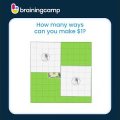
Discover All the Ways to Make $1 on Brainingcamp Digital Money Manipulative

Product Details

Overview
Math Manipulatives Visual Modeling Grades K–12

Brainingcamp is a virtual mathematics-manipulatives and lesson platform. It is intended primarily for K–12 mathematics learners using virtual manipulatives, with students, math teachers, interventionists, special educators, and families using it to support mathematical representation, number sense, fractions, algebra, geometry, and problem solving.

Learners use digital number lines, base-ten blocks, fraction tools, algebra tiles, graphs, and other models during instruction or independent work. Districts should evaluate how the product fits adopted curriculum, student needs, instructional time, and the work educators must do around it.

Product Details

Overview
Supplemental Content Multimedia Grades 3–8

BrainPOP is an animated multimedia learning platform with short explanations and connected activities. It is designed primarily for primarily upper-elementary and middle-school students, with related products for younger learners and multilingual audiences, with teachers, students, librarians, and families using it to support background knowledge, vocabulary, concept introduction, review, and discussion across subjects.

Teachers use topic movies, quizzes, vocabulary, games, readings, and creative tasks to launch or reinforce instruction and give students multiple ways to engage with a concept. The product should be evaluated for the specific learners, instructional setting, and intensity of support a district intends—not simply as another source of digital activities.

Introduction to Breakout EDU

Product Details

Overview
Instructional Resource Game-Based Learning Grades K–12

Breakout EDU is a platform and physical-kit system for educational escape-room-style games. It is intended primarily for K–12 learners solving collaborative academic puzzles, with students, teachers, librarians, coaches, and enrichment staff using it to support problem solving, collaboration, content review, persistence, and communication.

Teachers facilitate digital or hands-on puzzle sequences tied to academic content, community building, or professional learning. Districts should evaluate how the product fits adopted curriculum, student needs, instructional time, and the work educators must do around it.

Bright Thinker Student Application Overview

Product Details

Overview
Online Curriculum Multi-Subject Grades K–12

Bright Thinker is a publisher and learning platform offering K–12 digital curriculum and courseware. It is intended primarily for K–12 students in virtual, alternative, credit-recovery, homeschool, or supplemental programs, with students, teachers, counselors, program administrators, and families using it to support standards-based online courses, assignments, assessment, pacing, and credit completion.

Learners complete sequenced multimedia lessons, practice, projects, and assessments while educators assign courses and monitor progress. Districts should evaluate how the product fits adopted curriculum, student needs, instructional time, and the work educators must do around it.

A Look Inside Britannica Education

Product Details

Overview
Digital Reference Research & Literacy Grades K–12

Britannica Education is a suite of digital encyclopedia, media, and instructional-reference resources. It is intended primarily for K–12 learners and educators using age-adjusted reference content, with students, teachers, librarians, multilingual-learner staff, and families using it to support research, background knowledge, informational literacy, media literacy, and cross-curricular inquiry.

Users search vetted articles, images, video, primary sources, biographies, and learning resources at different reading levels and languages. Districts should evaluate how the product fits adopted curriculum, student needs, instructional time, and the work educators must do around it.

What is CAPIT?

Product Details

Overview
Foundational Literacy Intervention Grades PreK–2

CAPIT Reading is a structured foundational-reading program from CAPIT Learning. It is designed primarily for emergent and beginning readers, including students needing systematic decoding support, with early-elementary teachers, reading specialists, interventionists, and students using it to support phonemic awareness, phonics, decoding, spelling, and early reading.

Students progress through explicit sound-symbol and word-reading sequences while educators monitor mastery and provide connected instruction. The product should be evaluated for the specific learners, instructional setting, and intensity of support a district intends—not simply as another source of digital activities.

Transforming the Math Classroom | Carnegie Learning

Product Details

Overview
Core Curriculum Mathematics Grades 6–12

Carnegie Learning is a curriculum portfolio best known for MATHia and secondary mathematics materials. It is designed primarily for primarily middle- and high-school mathematics students, with additional products serving other grades and subjects, with math teachers, students, coaches, interventionists, and curriculum leaders using it to support conceptual understanding, problem solving, procedural fluency, and adaptive mathematics practice.

Students work through teacher-led collaborative lessons and individualized software practice while educators use reports to identify misconceptions and adjust instruction. The product should be evaluated for the specific learners, instructional setting, and intensity of support a district intends—not simply as another source of digital activities.

MindTap from Cengage: Powered by You

Product Details

Overview
Curriculum Portfolio Secondary & Higher Education Grades 9–12+

Cengage is a large publisher and platform portfolio rather than one K–12 product. It is designed primarily for primarily high-school advanced, career-technical, dual-enrollment, and postsecondary learners, depending on product, with teachers, students, curriculum leaders, libraries, and dual-enrollment programs using it to support discipline-specific textbooks, digital courseware, practice, assessment, and career preparation.

District use may involve MindTap, WebAssign, National Geographic Learning, Gale resources, or individual print/digital programs with very different audiences. The product should be evaluated for the specific learners, instructional setting, and intensity of support a district intends—not simply as another source of digital activities.

Introducing CK-12's Flexi 2.0

Product Details

Overview
Open Educational Resources STEM Grades 6–12

CK-12 is a free digital learning platform centered on FlexBooks and standards-aligned resources. It is designed primarily for primarily middle- and high-school learners, with content extending into elementary and college-preparatory subjects, with students, teachers, curriculum writers, and families using it to support open textbooks, simulations, practice, adaptive learning, and customizable stem resources.

Teachers can adopt, remix, and assign digital texts, interactives, questions, simulations, and practice while students use them for instruction, reference, or review. The product should be evaluated for the specific learners, instructional setting, and intensity of support a district intends—not simply as another source of digital activities.

201 results - showing 21 - 40
« 1 2 3 4 5 6 7 8 9 10 »