Brainingcamp
Overview
- Overview
-
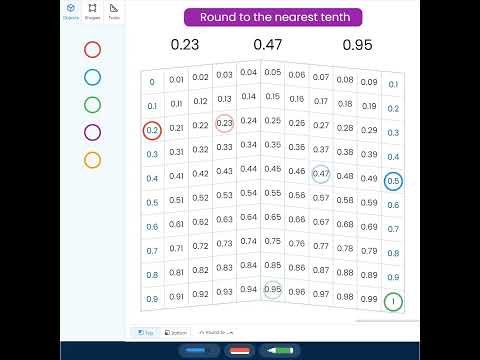
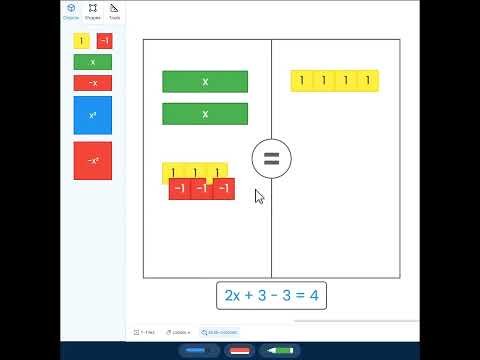
Brainingcamp is a virtual mathematics-manipulatives and lesson platform. Learners use digital number lines, base-ten blocks, fraction tools, algebra tiles, graphs, and other models during instruction or independent work. The learner’s model makes mathematical relationships visible. Teachers connect constructed representations and explanations with the lesson, while any saved work becomes an artifact within the local instructional workflow.
Features
- Features
-
Audience and instructional role
Grades / learners:
K–12 mathematics learners using virtual manipulatives
Primary users:
students, math teachers, interventionists, special educators, and families
Learning focus:
mathematical representation, number sense, fractions, algebra, geometry, and problem solving — a virtual mathematics-manipulatives and lesson platform
How it supports learning
- Learners use digital number lines, base-ten blocks, fraction tools, algebra tiles, graphs, and other models during instruction or independent work.
- Teachers should connect use to explicit learning goals and inspect student work rather than rely on completion, time-on-task, or engagement alone.
Implementation and instructional decisions
- Choose models intentionally and connect actions to language, notation, drawings, and reasoning; confirm accessibility, device use, and teacher-created task quality.
- Districts should confirm accessibility, language support, student-data practices, assignment workflow, reporting, and the continuing role of teacher judgment.
Student Data Privacy
- Student Data Privacy
-
Review the Common Sense Privacy Rating:
https://privacy.commonsense.org/evaluation/Brainingcamp
Brainingcamp Privacy Policy:
https://www.brainingcamp.com/privacy-policy
Signed California Student Data Privacy Agreement?
Yes
Company News
- Company News
Interoperability
Sign-on, rostering, and file exchange methods
Select a connector to see every product that supports it.
Note: SDLA does not endorse or resell any products listed on the site. They are listed simply to aid in the development of integration resources for school district ed-data leaders.
Media
Videos