Instruction / Curriculum

Instruction / Curriculum

Instructional and curriculum platforms help educators plan, deliver, adapt, and evaluate standards-aligned learning experiences.

They may provide curriculum maps, lessons, digital resources, practice, feedback, intervention, enrichment, and collaboration while giving teachers flexibility to respond to learner strengths, needs, language, and accessibility.

What these systems support

  • Standards alignment, curriculum maps, pacing, lessons, and resources
  • Student practice, differentiation, intervention, enrichment, and feedback
  • Teacher collaboration, usage insights, progress evidence, and content governance

Note: SDLA does not endorse or resell any of the systems listed on this site.

201 results - showing 41 - 60
« 1 2 3 4 5 6 7 8 9 10 »
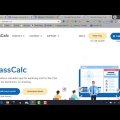
Online Calculator - classcalc.com

Product Details

Overview
Mathematics Tool Assessment Security Grades 6–12+

ClassCalc is a calculator application with teacher-managed test mode. It is designed primarily for secondary and postsecondary mathematics students needing scientific, graphing, statistics, or matrix calculation, with students, mathematics and science teachers, assessment coordinators, and technology staff using it to support calculation, graphing, statistics, mathematical exploration, and controlled test use.

Students use web or mobile calculators for coursework while educators can restrict functions during assessments and demonstrate calculations. The product should be evaluated for the specific learners, instructional setting, and intensity of support a district intends—not simply as another source of digital activities.

ClassK12 - #1 Math and ELA practice for kids

Product Details

Overview
Supplemental Practice Math & ELA Grades K–12

ClassK12 is a gamified practice, assignment, and assessment platform. It is designed primarily for K–12 students practicing mathematics and English language arts skills, with students, teachers, and families using it to support standards-aligned practice, assignments, quizzes, and formative checks.

Teachers select or create activities and students receive digital practice with immediate results; available evidence suggests a supplemental role rather than a complete curriculum. The product should be evaluated for the specific learners, instructional setting, and intensity of support a district intends—not simply as another source of digital activities.

What is Classworks?

Product Details

Overview
Intervention Personalized Learning Grades K–8

Classworks is a K–8 intervention and personalized-learning platform. It is designed primarily for elementary and middle-school students needing targeted intervention, special-education support, or differentiated practice, with teachers, interventionists, special educators, MTSS teams, students, and administrators using it to support screening, individualized learning paths, progress monitoring, and instructional intervention.

Assessment data can generate individualized skill sequences while educators monitor progress and provide direct instruction within MTSS or special-education plans. The product should be evaluated for the specific learners, instructional setting, and intensity of support a district intends—not simply as another source of digital activities.

Clusive™: A customizable learning environment that adapts to you 040821

Product Details

Overview
Accessibility Tool Digital Reading Grades 5–12+

Clusive is CAST’s free adaptive and accessible digital reading environment. It is intended primarily for secondary and postsecondary learners, especially students needing reading or accessibility supports, with students, teachers, special educators, accessibility staff, and researchers using it to support accessible reading, annotation, vocabulary, text-to-speech, strategy use, and learner agency.

Learners read imported or assigned texts with configurable display, text-to-speech, vocabulary, annotation, and comprehension supports. Districts should evaluate how the product fits adopted curriculum, student needs, instructional time, and the work educators must do around it.

Code Combat Introduction - A fun way for kids to learn how to code!

Product Details

Overview
Computer Science Game-Based Learning Grades 4–12

CodeCombat is a game-based programming curriculum and practice environment. It is designed primarily for upper-elementary through high-school learners beginning or extending computer programming, with computer-science teachers, students, after-school programs, and curriculum leaders using it to support coding syntax, computational thinking, problem solving, and computer-science concepts.

Students write real code to solve progressively structured game challenges while educators assign courses and monitor concept mastery. The product should be evaluated for the specific learners, instructional setting, and intensity of support a district intends—not simply as another source of digital activities.

CodeHS Webinar: Top Tools to Track Student Progress on CodeHS Pro

Product Details

Overview
Core/Supplemental Curriculum Computer Science Grades 6–12

CodeHS Pro is the paid school edition of CodeHS’s secondary computer-science curriculum and platform. It is intended primarily for middle- and high-school learners in computer science, cybersecurity, web, and technology courses, with students, computer-science teachers, CTE staff, counselors, and curriculum leaders using it to support programming, computational thinking, cybersecurity, web development, and course assessment.

Teachers deliver sequenced courses, coding exercises, projects, quizzes, sandboxes, and feedback while monitoring progress and code submissions. Districts should evaluate how the product fits adopted curriculum, student needs, instructional time, and the work educators must do around it.

About Code.org

Product Details

Overview
Computer Science Free Curriculum Grades K–12

Code.org is a nonprofit provider of free computer-science curriculum, tools, and professional learning. It is designed primarily for students from early elementary through high school, including beginners and students historically underrepresented in computing, with classroom teachers, computer-science specialists, students, and after-school programs using it to support computational thinking, programming, digital citizenship, ai concepts, and computer science pathways.

Teachers use sequenced courses, unplugged lessons, block or text coding, projects, assessments, and dashboards to introduce computer science or deliver full courses. The product should be evaluated for the specific learners, instructional setting, and intensity of support a district intends—not simply as another source of digital activities.

Everything you need to know about CommonLit in less than 10 minutes

Product Details

Overview
Literacy Curriculum Reading & Writing Grades 3–12

CommonLit is a nonprofit digital literacy platform offering a full curriculum and supplemental library. It is intended primarily for upper-elementary through high-school readers, including multilingual learners and students needing differentiated access, with ELA teachers, students, literacy specialists, and curriculum leaders using it to support grade-level reading, knowledge building, text evidence, vocabulary, discussion, and writing.

Teachers use text sets, units, paired texts, questions, discussion, writing, assessment, and accessibility supports for whole-class or targeted instruction. Districts should evaluate how the product fits adopted curriculum, student needs, instructional time, and the work educators must do around it.

Experience Math K-8 Mathematics Program

Product Details

Overview
Core Curriculum Middle Grades Math Grades 6–8

Connected Mathematics 4 is the current fourth edition of Michigan State University’s Connected Mathematics curriculum, published by Lab-Aids. It is intended primarily for middle-school mathematics learners, with an Algebra 1 pathway, with students, mathematics teachers, coaches, and curriculum leaders using it to support problem-centered mathematics, reasoning, discourse, modeling, connections, and formative assessment.

Students develop mathematics through contextual problems, collaborative investigation, representations, discussion, reflection, practice, and assessment. Districts should evaluate how the product fits adopted curriculum, student needs, instructional time, and the work educators must do around it.

Corgi Graphic Organizers

Product Details

Overview
Accessibility Tool Graphic Organizers Grades 6–12+

Corgi is CAST’s free accessible digital graphic-organizer suite. It is intended primarily for secondary and postsecondary learners who benefit from structured digital organizers, with students, teachers, special educators, multilingual-learner staff, and accessibility teams using it to support disciplinary reasoning, accessible graphic organization, cause/effect, comparison, and explanation.

Learners organize claims, evidence, sequences, comparisons, and systems thinking in accessible templates that teachers can embed in instruction. Districts should evaluate how the product fits adopted curriculum, student needs, instructional time, and the work educators must do around it.

Introduction to CPM

Product Details

Overview
Core Curriculum Mathematics Grades 6–12

CPM Educational Program is a nonprofit secondary mathematics curriculum with print and digital resources. It is intended primarily for middle- and high-school mathematics students, with math teachers, students, coaches, and curriculum leaders using it to support collaborative problem solving, reasoning, discourse, mathematical connections, and secondary course content.

Students work in teams on sequenced problems and investigations while teachers facilitate discourse, questioning, practice, and assessment. Districts should evaluate how the product fits adopted curriculum, student needs, instructional time, and the work educators must do around it.

Product Details

Overview
Math Tool Problem Solving & Discourse Grades 2–12

CueThink is a mathematics problem-solving application and instructional framework. It is intended primarily for elementary through high-school mathematics learners, with students, math teachers, interventionists, special educators, and coaches using it to support problem solving, metacognition, mathematical discourse, representation, and collaboration.

Students use understand-plan-solve-review phases, record visual and verbal solution paths, and discuss peers’ strategies. Districts should evaluate how the product fits adopted curriculum, student needs, instructional time, and the work educators must do around it.

Cursive handwriting makes a comeback in California | REUTERS

Product Details

Overview
Supplemental Curriculum Handwriting Grades K–5

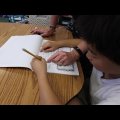
D’Nealian Handwriting is Savvas’s handwriting curriculum using the D’Nealian manuscript-to-cursive approach. It is intended primarily for elementary learners developing manuscript and cursive handwriting, with students, elementary teachers, occupational-therapy partners, and families using it to support letter formation, manuscript, cursive, fine-motor practice, and written fluency.

Students practice letter strokes, spacing, words, sentences, and connected writing through print and digital resources. Districts should evaluate how the product fits adopted curriculum, student needs, instructional time, and the work educators must do around it.

Davis Art Images Overview

Product Details

Overview
Core/Supplemental Curriculum Visual Arts Grades K–12

Davis Digital is Davis Publications’ digital delivery platform and visual-arts curriculum portfolio. It is intended primarily for K–12 visual-arts learners using Davis Publications programs, with students, art teachers, curriculum leaders, and library/media staff using it to support artmaking, art history, critique, visual culture, media, and standards-based instruction.

Teachers and students access licensed textbooks, images, lessons, media, portfolios, and instructional resources for specific art programs. Districts should evaluate how the product fits adopted curriculum, student needs, instructional time, and the work educators must do around it.

DBQ Online 2.0

Product Details

Overview
Core/Supplemental Curriculum Social Studies Grades 4–12

DBQ Online is the digital delivery platform for The DBQ Project’s inquiry-based social-studies curriculum. It is intended primarily for upper-elementary through high-school students learning history and civics through evidence, with social-studies teachers, students, literacy staff, and curriculum leaders using it to support primary-source analysis, historical reasoning, argument writing, and document-based questions.

Students analyze sequenced documents, discuss competing evidence, organize claims, and write supported arguments while teachers use scaffolds and rubrics. Districts should evaluate how the product fits adopted curriculum, student needs, instructional time, and the work educators must do around it.

DeltaMath Overview

Product Details

Overview
Supplemental Practice Mathematics Grades 6–12

DeltaMath is an online mathematics practice and assignment platform. It is intended primarily for middle- and high-school mathematics students across pre-algebra through calculus and statistics, with students, mathematics teachers, interventionists, and tutors using it to support problem practice, immediate feedback, assignment, and formative assessment.

Teachers select problem sets, examples, and assessments while students receive repeated practice and immediate correctness feedback. Districts should evaluate how the product fits adopted curriculum, student needs, instructional time, and the work educators must do around it.

Introduction to the Desmos Graphing Calculator

Product Details

Overview
Interactive Mathematics Teacher Tool Grades 6–12

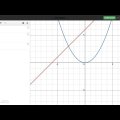
Desmos Classroom is the classroom-activity environment now developed within Amplify alongside free Desmos math tools. It is intended primarily for primarily middle- and high-school mathematics students, with activities extending across grade bands, with students, mathematics teachers, coaches, and curriculum leaders using it to support mathematical modeling, representation, discourse, formative assessment, and conceptual reasoning.

Teachers facilitate sequenced interactive activities and monitor student thinking in real time while students manipulate representations, explain reasoning, and compare approaches. Districts should evaluate how the product fits adopted curriculum, student needs, instructional time, and the work educators must do around it.

What Can I Do with Discovery Education?

Product Details

Overview
Supplemental Content Multimedia Grades K–12

Discovery Education Experience is a cross-curricular digital content and instructional-resource platform. It is designed primarily for K–12 students across subjects and reading levels, with classroom teachers, library/media staff, instructional coaches, and students using it to support multimedia background knowledge, inquiry, lesson enrichment, and student research.

Teachers combine videos, interactives, images, text, channels, quizzes, and lesson-building tools to introduce concepts, differentiate access, or extend adopted curriculum. The product should be evaluated for the specific learners, instructional setting, and intensity of support a district intends—not simply as another source of digital activities.

Product Details

Overview
Adaptive Practice Mathematics Grades K–8

DreamBox Math is an adaptive digital mathematics program now within Discovery Education. It is designed primarily for elementary and middle-school mathematics learners, including students needing enrichment or additional practice, with students, classroom teachers, interventionists, and administrators using it to support conceptual mathematics, adaptive practice, and differentiated learning pathways.

The environment changes representations, prompts, and task sequence based on student actions while teachers use usage and growth reports to plan support. The product should be evaluated for the specific learners, instructional setting, and intensity of support a district intends—not simply as another source of digital activities.

Supporting English Language Learners with Duolingo!

Product Details

Overview
Supplemental Practice World Languages Grades 6–12+

Duolingo for Schools is the classroom-management layer for Duolingo language practice. It is intended primarily for secondary and adult language learners using independent practice, with students, world-language teachers, families, and independent learners using it to support vocabulary, listening, reading, pronunciation, grammar, and practice habits.

Teachers organize classes and assignments while students complete gamified lessons in a selected language pathway. Districts should evaluate how the product fits adopted curriculum, student needs, instructional time, and the work educators must do around it.

201 results - showing 41 - 60
« 1 2 3 4 5 6 7 8 9 10 »