ThinkCerca
Overview
- Overview
-
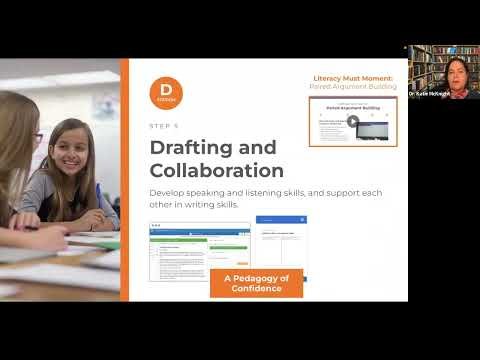
ThinkCERCA is a literacy curriculum and platform organized around claims, evidence, reasoning, counterarguments, and audience. Students read differentiated texts, discuss ideas, plan arguments, draft writing, and receive teacher feedback across ELA and content areas. Source annotations, arguments, drafts, and feedback describe the learning process. Teachers connect those artifacts with rubric expectations and course goals when reviewing student reasoning and writing.
Features
- Features
-
Audience and instructional role
Grades / learners:
upper-elementary through high-school learners writing across subjects
Primary users:
students, ELA and content-area teachers, literacy coaches, and curriculum leaders
Learning focus:
argument writing, close reading, evidence, reasoning, discussion, and disciplinary literacy — a literacy curriculum and platform organized around claims, evidence, reasoning, counterarguments, and audience
How it supports learning
- Students read differentiated texts, discuss ideas, plan arguments, draft writing, and receive teacher feedback across ELA and content areas.
- Teachers should connect use to explicit learning goals and inspect student work rather than rely on completion, time-on-task, or engagement alone.
Implementation and instructional decisions
- Confirm grade/course scope, content library, writing-feedback model, multilingual supports, pacing, and whether use is core, supplemental, or intervention.
- Districts should confirm accessibility, language support, student-data practices, assignment workflow, reporting, and the continuing role of teacher judgment.
Student Data Privacy
- Student Data Privacy
-
Review the Common Sense Privacy Rating:
N/A
ThinkCerca Privacy Policy:
https://thinkcerca.com/privacy-policy
Signed California Student Data Privacy Agreement?
No records found in SDPC Registry
Company News
- Company News
Interoperability
Sign-on, rostering, and file exchange methods
Learning Management System Connectivity
Select a connector to see every product that supports it.
The primary purpose of ThinkCERCA is to equip students with the critical thinking and writing skills necessary for academic success and lifelong learning. By focusing on argumentative writing across the curriculum, ThinkCERCA aims to enhance students' ability to construct and communicate logical arguments, analyze texts, and engage in evidence-based reasoning. These skills are essential not only for academic achievement but also for effective participation in a democratic society and the global economy.
Note: SDLA does not endorse or resell any products listed on the site. They are listed simply to aid in the development of integration resources for school district ed-data leaders.
Media
Videos