Lalilo
Overview
- Overview
-
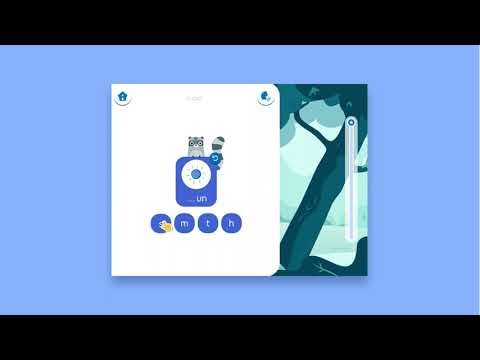
Lalilo is Renaissance’s adaptive early-literacy practice platform. Students complete personalized literacy exercises with feedback while teachers review progress and assign targeted practice. A learner’s exercise history describes foundational-literacy practice. Teachers connect recommendations and progress with direct reading instruction and observation of how students apply skills outside the program.
Features
- Features
-
Audience and instructional role
Grades / learners:
early-elementary learners developing French or English foundational literacy, depending on regional availability
Primary users:
students, early-literacy teachers, interventionists, and families
Learning focus:
phonological awareness, decoding, word recognition, fluency, and differentiated practice — Renaissance’s adaptive early-literacy practice platform
How it supports learning
- Students complete personalized literacy exercises with feedback while teachers review progress and assign targeted practice.
- Teachers should connect use to explicit learning goals and inspect student work rather than rely on completion, time-on-task, or engagement alone.
Implementation and instructional decisions
- Verify the district’s current language edition and U.S. availability because the public site now emphasizes French-language literacy; confirm speech recognition and accessibility.
- Districts should confirm accessibility, language support, student-data practices, assignment workflow, reporting, and the continuing role of teacher judgment.
Student Data Privacy
- Student Data Privacy
-
Review the Common Sense Privacy Rating:
N/A
Lalilo Privacy Policy:
https://www.renaissance.com/privacy/
Signed California Student Data Privacy Agreement?
Yes
Company News
- Company News
Interoperability
Sign-on, rostering, and file exchange methods
Select a connector to see every product that supports it.
- Students who are learning to read, typically Kindergarten through Grade 2.
- Younger children, including those in preschool, who have mastered essential vocabulary and early literacy skills, and reading instruction is now appropriate.
- Students in grades 3–6 who have not yet mastered foundational literacy skills that help them read fluently and some additional instruction is needed.
Note: SDLA does not endorse or resell any products listed on the site. They are listed simply to aid in the development of integration resources for school district ed-data leaders.
Media
Videos