Snipe-IT
6
Product Details
- Website
- https://snipeitapp.com
- Overview
-
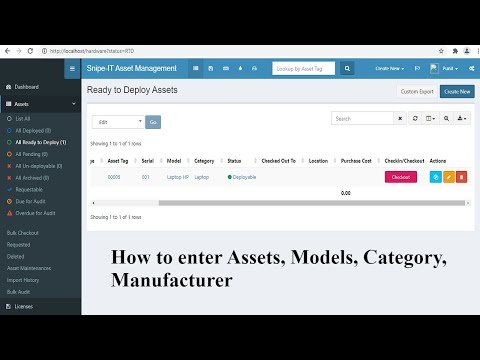
Snipe‑IT is an open-source IT asset-management system available for self-hosting or as a commercially hosted service. District teams use it to track computers, devices, accessories, components, consumables, and software licenses and to see who or what location currently holds each item.
Check-in and checkout, barcode and QR labels, audits, maintenance history, warranties, license alerts, custom fields, imports, reports, digital acceptance, and a REST API provide a practical inventory foundation. It is strongest for IT equipment rather than comprehensive fixed-asset accounting.
- Features
-
IT inventory
- Tracks assets, accessories, consumables, components, and software licenses with configurable models, statuses, fields, and locations.
- Shows assignment, availability, condition, and full transaction history.
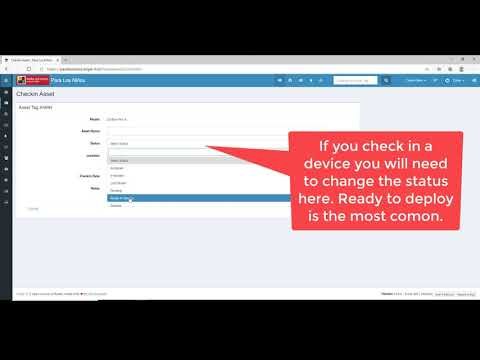
Checkout and accountability- Checks items out to people or locations and supports kits, user acceptance, signatures, requests, and returns.
- Generates barcode and QR labels and works with common scanning tools.
Audits and maintenance- Supports physical audits, warranty and license alerts, maintenance records, imports, exports, and reports.
- Helps teams identify missing equipment and upcoming lifecycle events.
Hosting and integrations- Can be self-hosted or purchased as a hosted service and provides LDAP, SAML, SCIM, API, Slack, and selected MDM integration options.
- Districts are responsible for operating and securing self-hosted deployments.
- Support Options
-
- Phone
- Company News
Snipe-IT makes asset management easy. It was built by people solving real-world IT and asset management problems, and a solid UX has always been a top priority. Straightforward design and bulk actions mean getting things done faster. What's the good of having software if it's so hard to use, no one bothers?
Snipe-IT makes asset management easy. It was built by people solving real-world IT and asset management problems, and a solid UX has always been a top priority. Straightforward design and bulk actions mean getting things done faster. What's the good of having software if it's so hard to use, no one bothers?
Videos