



SDLA Compliance Resource
Submit P‑1 Taxes and Excess ERAF
A county/local-revenue reconciliation for values that directly affect first principal apportionment calculations.
In Plain Language: Reconcile tax and Excess ERAF amounts to current county records, enter them in the applicable PADC screens, obtain fiscal review, and submit by November 16.
Why this matters
Local revenue offsets state aid. A period, entity, allocation, or sign error can materially change P‑1 funding across districts and charters.
Primary ownership
Primary owner: county/local-revenue principal-apportionment fiscal lead. Partners: county auditor-controller, treasury/tax staff, districts, COE, CDE PASE, and reviewer/certifier.
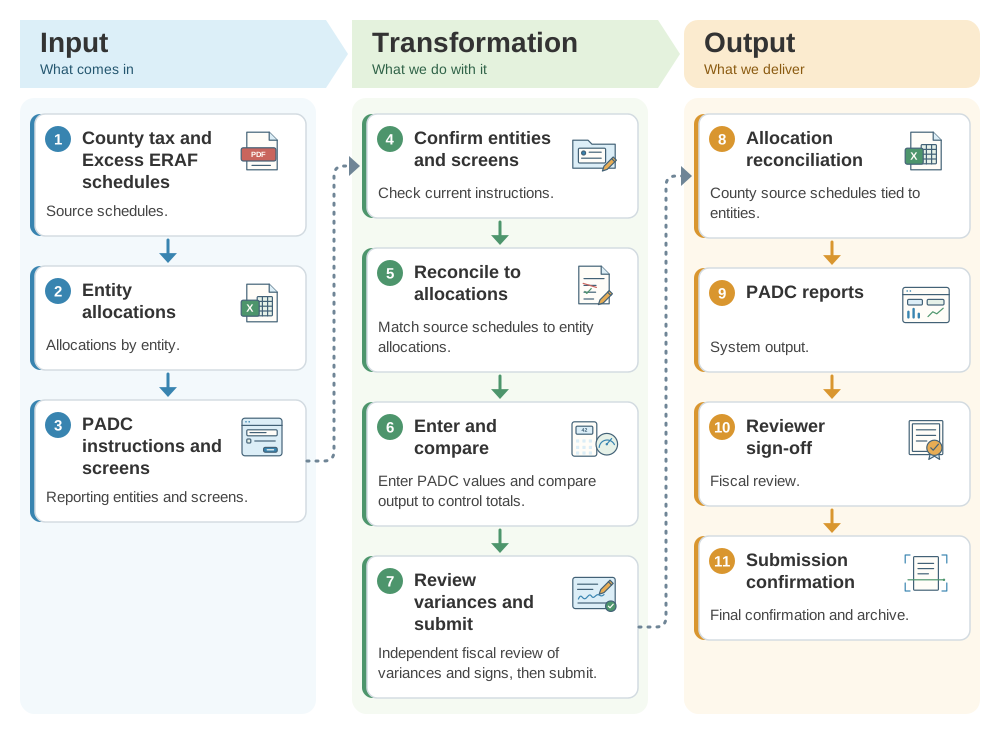
From county sources to submitted P-1 taxes and Excess ERAF: the SDLA ITO workflow
The values directly affect first principal apportionment calculations. This SDLA ITO (Input, Transformation, Output) graphic shows how county source schedules and the entities' allocations become the reconciliation, the PADC reports, and the reviewer sign-off and confirmation.
Operational workflow
- Confirm reporting entities/screens and current instructions.
- Reconcile tax and Excess ERAF source schedules to entity allocations.
- Enter PADC values and compare system output to control totals.
- Perform independent fiscal review of variances and signs.
- Submit by November 16 and archive reports/support.
Implementation pathway
Evidence to retain
- County source schedules
- Allocation/reconciliation
- PADC reports
- Reviewer signoff
- Submission confirmation
Official guidance and help
- CDE PA DeadlinesOfficial November 16 items
- CDE PADC Due DatesLocal-revenue screens
- CDE Principal ApportionmentProgram resources
Source review completed August 30, 2026. Verify the live CDE calendar, current CALPADS/PADC instructions, local source records, required partner approvals, and final posted or certified state before acting.