



SDLA Compliance Resource
Begin NSLP/SBP Household Eligibility Verification
The October 1 control point for selecting the required application sample, attempting direct verification, notifying households, and protecting due process.
In Plain Language: Establish the October 1 sample frame, calculate and document the correct sample method and size, select applications without substitution, conduct direct verification first when available, and issue understandable household notices with a real assistance pathway.
Why this matters
A weak sample frame or premature benefit reduction can remove eligible children from meal benefits and create civil-rights, reimbursement, and administrative-review findings. Verification is a controlled eligibility check—not a new application campaign.
Primary ownership
Primary owner: SFA eligibility/verification official. Partners: nutrition director, direct-certification/CALPADS staff, benefit-issuing/POS staff, language-access staff, homeless/migrant/foster liaisons, hearing official, and households.
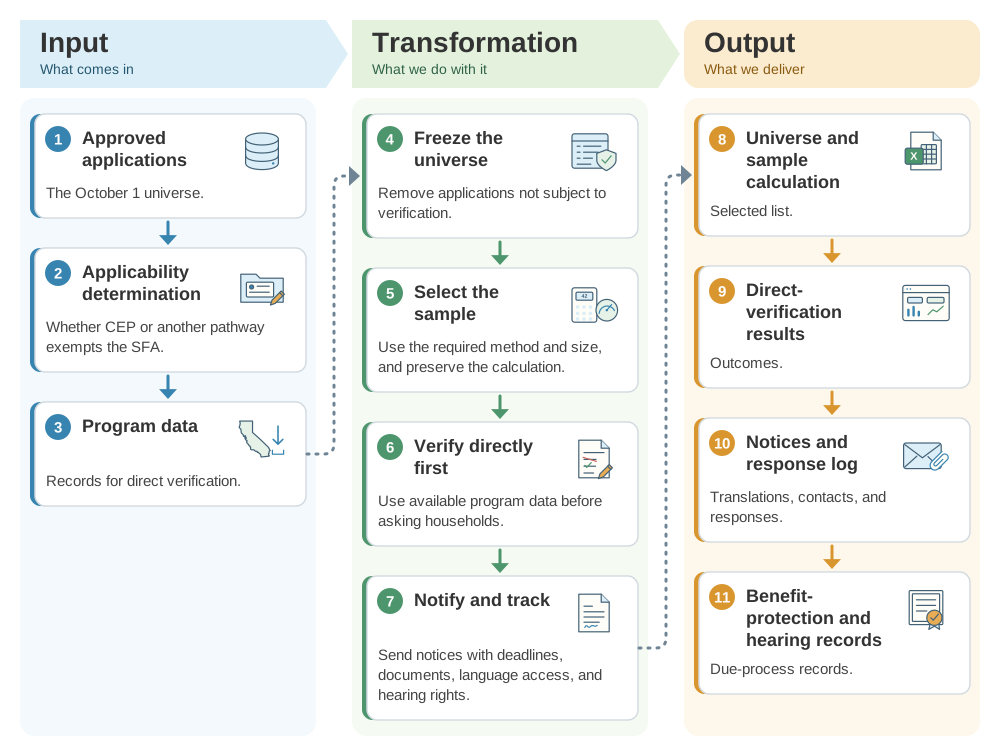
From the October 1 universe to a verified household sample: the SDLA ITO workflow
Direct verification comes first, and households keep due-process protections throughout. This SDLA ITO (Input, Transformation, Output) graphic shows how the approved applications as of October 1, sampling rules, and program data for direct verification become the universe and sample calculation, the direct-verification results, and the notice and response log.
Operational workflow
- Freeze and document the October 1 approved-application universe and remove applications not subject to verification under current rules.
- Determine the required sampling method and sample size; select the sample exactly and preserve the calculation.
- Attempt direct verification through available program data before asking the household for documents.
- Send required notices with deadline, acceptable documentation, language access, contact help, and consequences.
- Track responses, follow-up attempts, changes, withdrawals, transfers, and hearing rights toward November 15 completion.
Implementation pathway
Evidence to retain
- Applicability/exemption determination
- October 1 application universe
- Sample calculation and selected list
- Direct-verification results
- Notices, translations, contacts, and response log
- Benefit-protection and hearing records
Official guidance and help
- CDE VerificationCurrent household verification guidance
- CDE Direct CertificationDirect verification and performance requirements
- CDE Verification ReportingOctober 1, November 15, and January 15 controls
- USDA Eligibility ManualFederal eligibility and verification procedures
Source review completed August 30, 2026. Verify current CDE, USDA, CNIPS, local eligibility, fiscal, and food-safety instructions before acting.