



SDLA Compliance Resource
Provide Type 1 Diabetes Information to Parents of Incoming Elementary Pupils
An awareness notice for recognizing rapid-onset warning signs, seeking prompt medical evaluation, and knowing how to connect a diagnosed pupil to safe school-day diabetes support.
In Plain Language: Provide the CDE-developed type 1 diabetes information to incoming elementary families. It should help them recognize warning signs and understand that a health-care professional—not the school notice—diagnoses diabetes.
Why this matters
Type 1 diabetes can develop quickly and become life-threatening. Early recognition and prompt medical evaluation matter; after diagnosis, the school must coordinate individualized access, medication, monitoring, meals, activities, and emergency care.
Joint ownership
Notice owner: enrollment/health services. Support owner after diagnosis: school nurse and Section 504/IEP team as applicable. Partners: family, provider, teachers, nutrition, athletics, transportation, and administrators.
From CDE information to type 1 diabetes awareness for new families: the SDLA ITO workflow
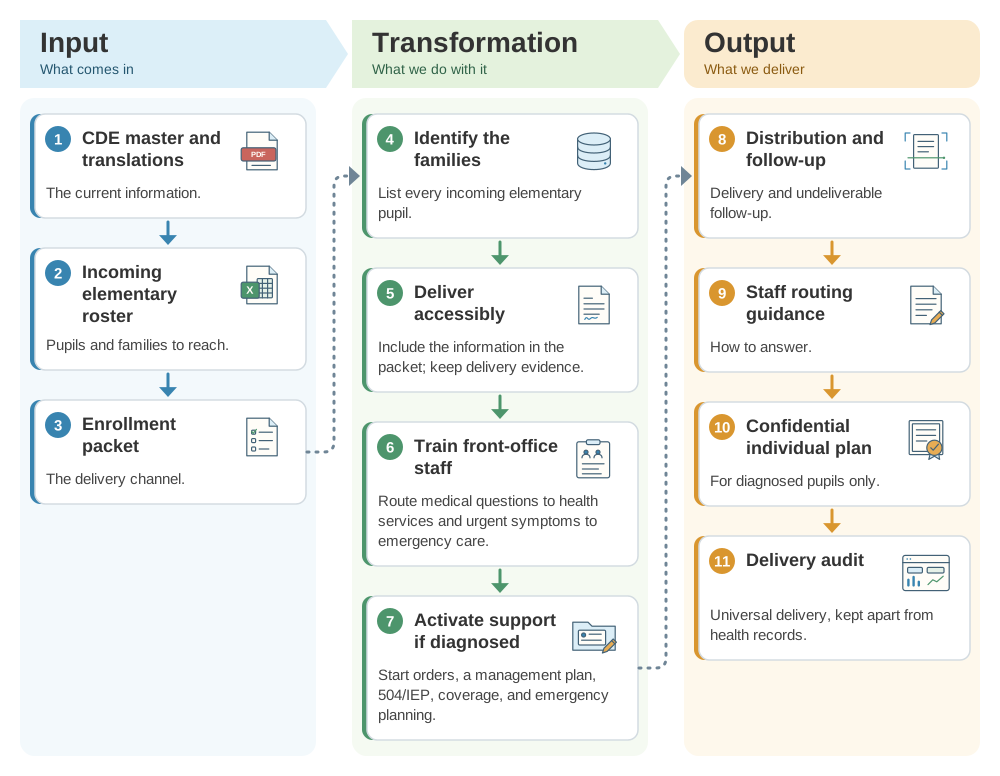
The notice raises awareness, and a health professional, not the school, diagnoses. This SDLA ITO (Input, Transformation, Output) graphic shows how the current CDE information and translations, and the incoming elementary roster become the delivery record, the staff routing guidance, and the confidential support plan for diagnosed pupils.
Operational workflow
- Use the current CDE information and translations; identify every incoming elementary pupil.
- Deliver through the enrollment packet or equivalent reliable channel in an accessible language and retain delivery evidence.
- Train enrollment/front-office staff to route medical questions to health services and urgent symptoms to emergency care.
- When a diagnosis is disclosed, promptly initiate provider orders, diabetes medical management, medication/supply, 504/IEP, trained coverage, and emergency planning.
- Audit universal delivery separately from individual health records.
Two different obligations
- Universal: Give incoming elementary families the required type 1 diabetes information.
- Individual: For a diagnosed pupil, implement lawful medical orders, accommodations, trained coverage, and equal access.
Evidence to retain
- Current CDE master and translations
- Incoming elementary population roster
- Distribution and undeliverable follow-up
- Staff routing guidance
- For diagnosed pupils only: confidential plan, authorizations, training, and support record
Official guidance and help
- CDE Diabetes ManagementCurrent type 1 notice and school support resources
- Education Code section 49452.6Required incoming-elementary information
Source review completed August 30, 2026. Verify current law, official health guidance, local health-department instructions, licensed-provider orders, individual pupil circumstances, and local policy before acting. This operational resource does not replace clinical judgment or emergency services.