



SDLA Compliance Resource
Obtain Complete Written Authorization Before Routine Medication Assistance at School
A medication-safety control for matching parent and licensed-provider statements to the label, care plan, trained personnel, storage, administration log, self-carry decision, and activity coverage.
In Plain Language: Routine school medication assistance generally requires a written statement from the authorized health-care provider describing the medication, method, amount, and schedule, plus a written parent/guardian request. The school should verify the pharmacy label and authorization, plan safe delivery and storage, and document every dose or omission.
Why this matters
Verbal messages, last year's form, or a bottle alone can create dosing error. Coverage must extend to the real school day, including trips and activities when the authorization applies.
Joint ownership
Clinical owner: school nurse. Administration: trained/authorized personnel within legal scope. Partners: parent/guardian, provider, school administrator, teacher, transportation, athletics, field-trip leader, and Section 504/IEP team.
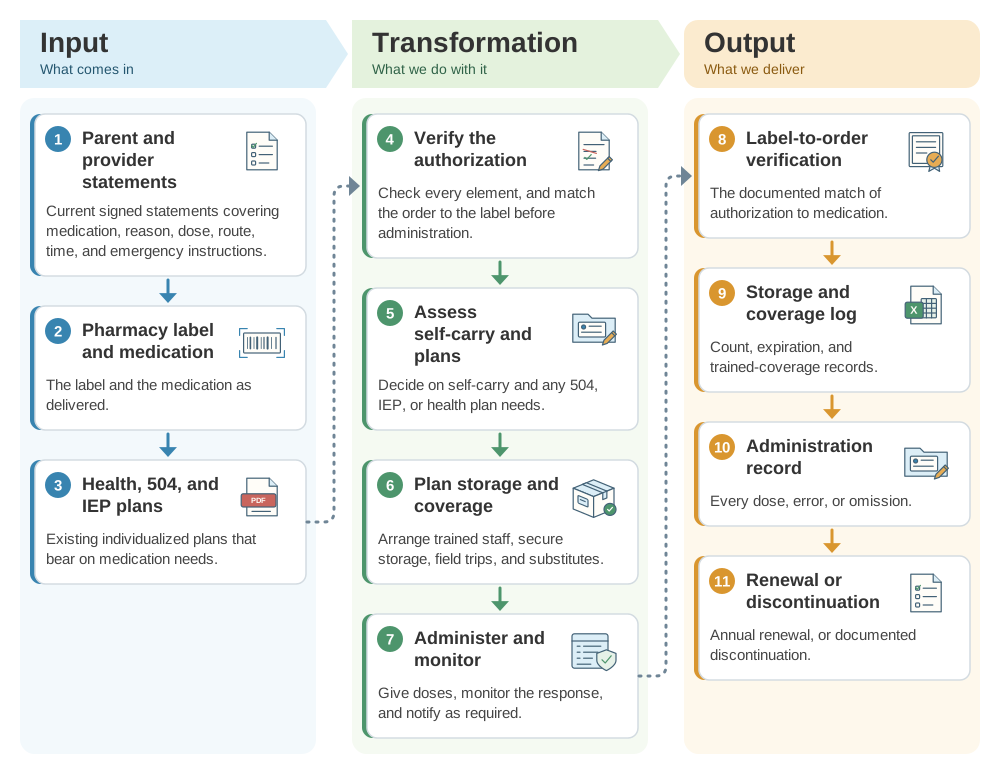
From signed authorizations to documented medication doses: the SDLA ITO workflow
Medication safety depends on matching what the parent and provider wrote to the label and the care plan before the first dose. This SDLA ITO (Input, Transformation, Output) graphic shows how the parent and provider statements, the pharmacy label, and the student's health plans become the verification record, the storage and coverage log, and the administration record.
Operational workflow
- Receive current signed parent and provider statements; verify pupil, medication, reason, dose, route, time, PRN criteria, side effects, and emergency instructions.
- Match the authorization to the pharmacy label and medication delivered; resolve discrepancies before administration.
- Assess self-carry competence/authorization and any Section 504, IEP, or individualized health plan needs.
- Plan trained personnel, secure-accessible storage, refrigeration, backup, field trips, activities, transport, and substitute coverage.
- Document administration/omissions, monitor response, notify as required, and renew or discontinue correctly.
Authorization map
- Routine medication: Parent request plus authorized-provider statement.
- Self-administration: Additional provider competence statement and safe-carry plan.
- Emergency/specialized care: Apply the specific statute, training, plan, and responder rules.
- Off-campus activities: Plan coverage before the pupil is asked to attend.
Evidence to retain
- Current parent and provider statements
- Label-to-order verification
- Individual health/504/IEP and self-carry determination
- Storage, count, expiration, and trained-coverage log
- Administration record, errors/omissions, and annual renewal
Official guidance and help
- CDE Medication AdministrationCurrent state medication resources
- CDE Medication Administration AdvisoryDetailed written-statement and safety guidance
- Education Code section 49423Routine medication assistance authority
- Education Code section 49423.1Self-administration and specialized health care
Source review completed August 30, 2026. Verify current law, official health guidance, local health-department instructions, licensed-provider orders, individual pupil circumstances, and local policy before acting. This operational resource does not replace clinical judgment or emergency services.