



SDLA Compliance Resource
Submit FY 2025–26 IDEA Expenditure Report 4
A reimbursement-based special-education fiscal report tying actual period costs to the grant award, approved plan, cash need, and required CEIS/CCEIS accounting.
In Plain Language: Report actual allowable expenditures for July 1–September 30, 2026. Use the current CDE expenditure-report form/process, include CEIS or CCEIS costs when applicable, obtain required signatures, and retain the accepted report and payment reconciliation.
Why this matters
CDE payments are based on actual reported expenditures and immediate cash requirements. Reporting ledger totals without eligibility, period, allocation, and grant reconciliation can overstate reimbursement or strand allowable costs.
Primary ownership
Primary owner: special education fiscal/grant lead. Partners: SELPA/grantee administrator, program director, business office, payroll, accounts payable, procurement, CEIS/CCEIS lead, indirect-cost reviewer, and authorized signer.
From award to a submitted expenditure report: the SDLA ITO workflow
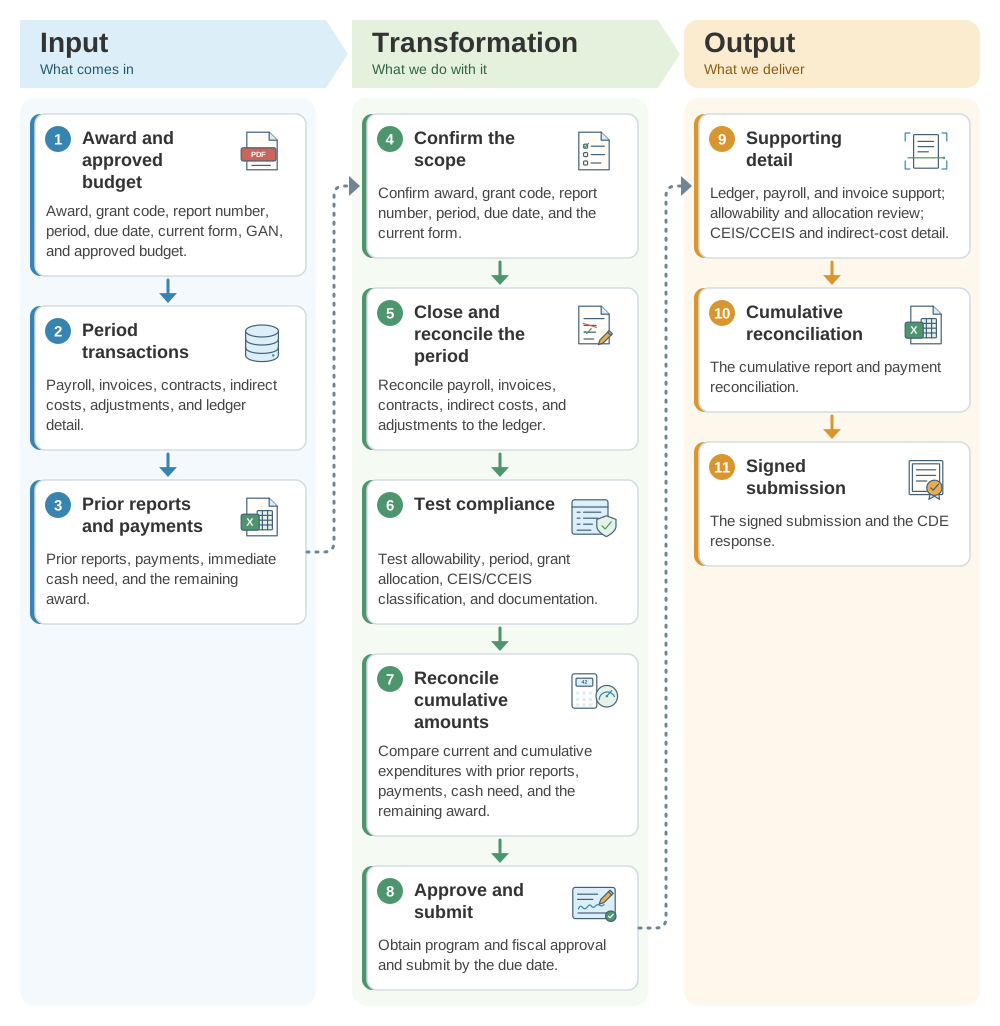
This reimbursement-based report ties actual period costs to the grant award, approved plan, cash need, and CEIS/CCEIS accounting. This SDLA ITO (Input, Transformation, Output) graphic shows how the award and budget, the period's transactions, and prior reports and payments become the supporting detail, the cumulative reconciliation, and the signed submission.
Operational workflow
- Confirm award, grant code, report number, period, due date, current form, GAN, and approved budget.
- Close period transactions and reconcile payroll, invoices, contracts, indirect costs, adjustments, and ledger detail.
- Test allowability, period, grant allocation, CEIS/CCEIS classification, and required supporting documentation.
- Compare current and cumulative expenditures with prior reports, payments, immediate cash need, and remaining award.
- Obtain program/fiscal approval, submit by the due date, and retain accepted report/payment evidence.
Implementation pathway
Evidence to retain
- GAN/budget and report-period control
- Ledger/payroll/invoice support
- Allowability and allocation review
- CEIS/CCEIS and indirect-cost detail
- Cumulative report/payment reconciliation
- Signed submission and CDE response
Official guidance and help
- CDE FY 2025–26 ER InstructionsOfficial periods, dates, payment, and CEIS/CCEIS rules
- CDE Special Education FinanceCurrent federal grant resources
- CDE Federal Expenditure Report FormReport structure and certifications
- 2 CFR Part 200Federal cost and award administration rules
Source review completed August 30, 2026. Verify current CDE, federal award, FAC, IAGS, portal, audit, grant, and entity-specific instructions before acting.