



SDLA Compliance Resource
Convene the Annual Title I, Part A Parent Meeting
A convenient, accessible school meeting that explains Title I participation, requirements, parent rights, program design, curriculum, assessments, and continuing ways to influence decisions.
In Plain Language: Invite and encourage all parents of participating children, explain the school’s Title I participation and parent rights, provide understandable program information, and create continuing routes for suggestions and involvement.
Why this matters
The annual meeting establishes transparency and entry into the year’s engagement process. Families cannot participate meaningfully if they do not know which program decisions exist or how their input reaches them.
Primary ownership
Primary owner: principal/Title I school lead. Partners: parents, teachers, federal-programs staff, family liaison, SSC/SPSA, curriculum/assessment, translation/accessibility, and communications.
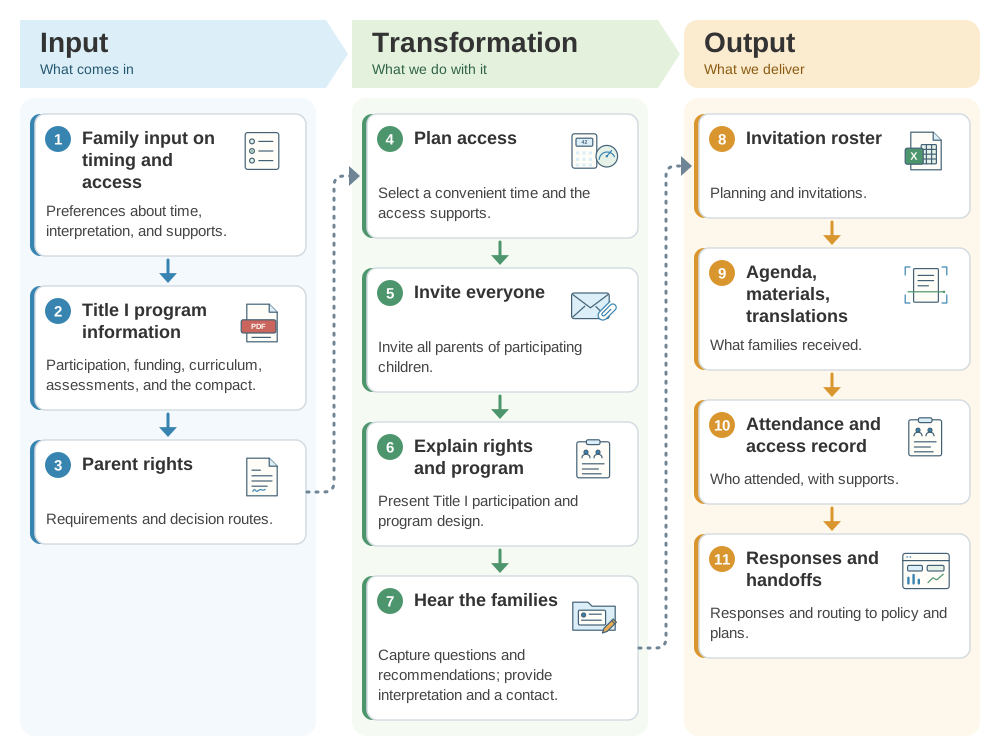
From planning to a Title I parent meeting families can use: the SDLA ITO workflow
Attendance is not consent, and the meeting should open continuing ways for families to shape decisions. This SDLA ITO (Input, Transformation, Output) graphic shows how family input, Title I program information, and parent rights become the invitation roster, the materials, and the recommendations routed into plans.
Operational workflow
- Select a convenient time and access supports using family input; invite all parents of participating children.
- Explain Title I participation, requirements, rights, funding/program design, curriculum, assessments, standards, policies, compact, and decision routes.
- Provide interpretation, translated/accessible materials, flexible engagement options, and a knowledgeable contact.
- Capture questions and recommendations without treating attendance as consent.
- Respond promptly and route input into policy, compact, school plan, program, and follow-up meetings.
Implementation pathway
Evidence to retain
- Planning/invitation roster
- Agenda/materials/translations
- Attendance and access
- Questions/recommendations
- Responses and plan/policy handoffs
Official guidance and help
- CDE Title I Parent and Family EngagementCurrent annual-meeting requirements
- Elementary and Secondary Education ActFederal Title I authority
- CDE Title I LCAP Federal Addendum CriteriaRelated engagement assurances
Source review completed August 30, 2026. Verify current federal and California requirements, CDE/FCC guidance, local policy, public-meeting procedures, records, and final submitted or adopted state before acting.