



SDLA Compliance Resource
Designate and Operationalize the Section 504 Coordinator Role
A federal disability-rights control for giving the coordinator authority, visibility, independence, training, intake capacity, grievance oversight, and reliable records.
In Plain Language: The coordinator is not merely a name on a website. The role must be authorized to coordinate compliance, receive concerns, ensure prompt and equitable grievance handling, identify barriers, connect evaluation/accommodation processes, maintain records, and communicate with leadership.
Why this matters
Families often encounter separate special education, 504, ADA, health, athletics, facilities, and discipline systems. A functioning coordinator prevents referrals from becoming dead ends and helps distinguish access, evaluation, accommodation, and discrimination issues.
Joint ownership
Accountable leader: superintendent/designee. Coordinator: designated Section 504 employee. Partners: special education, student services, HR, facilities, technology, athletics, health, transportation, schools, and legal/policy.
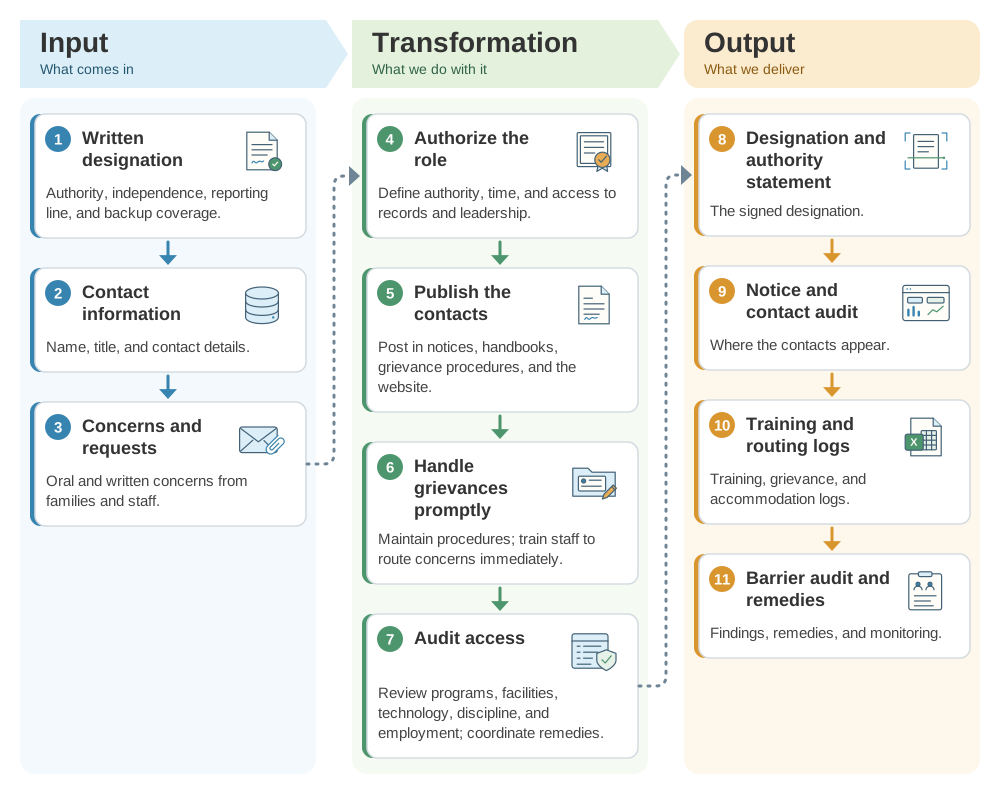
From a written designation to a working Section 504 coordinator: the SDLA ITO workflow
The coordinator role needs authority, visibility, and intake capacity, not merely a name on a website. This SDLA ITO (Input, Transformation, Output) graphic shows how the designation, the published contact information, and concerns from families and staff become the designation record, the notice audit, the routing logs, and the barrier audit and remedies.
Operational workflow
- Issue a written designation defining authority, independence, reporting line, backup coverage, time, and access to records and leadership.
- Publish the coordinator's name/title and contact information in notices, handbooks, grievance procedures, and the website.
- Maintain prompt and equitable grievance procedures; train all staff to route oral and written concerns immediately.
- Audit program, facility, technology, extracurricular, discipline, and employment access; coordinate correction and individual remedies.
- Keep secure intake, action, training, accommodation, grievance, and monitoring records.
If the requirement is missed
OCR commonly seeks voluntary resolution and corrective action such as access restoration, evaluation, services, policy revision, training, record correction, and monitoring. Formal enforcement is possible if a recipient does not resolve noncompliance.
Evidence to retain
- Written designation and authority statement
- Current notices and contact-location audit
- Coordinator/staff training records
- Grievance and accommodation routing logs
- Barrier audit, remedies, and monitoring evidence
Official guidance and help
- 34 CFR Part 104Federal Section 504 regulations, including coordinator and notice duties
- U.S. ED Disability DiscriminationSection 504 rights and OCR resources
- U.S. ED OCR Complaint ProcessFederal complaint route
Source review completed August 30, 2026. Verify current federal and California law, official guidance, local policy, named contacts, language and disability access, and the facts of the individual matter before acting.