



SDLA Compliance Resource
Tell Families How to Challenge Unlawful Pupil Fees Through UCP
A notice and recovery control for explaining the free-school guarantee, informal filing options, local resolution, reimbursement, and state appeal rights.
In Plain Language: Students may not be charged a fee as a condition of participating in an educational activity unless law specifically permits it. The annual notice should say how to file a pupil-fee complaint, that it may be filed anonymously when evidence is supplied, and that a meritorious complaint requires a remedy for all affected pupils and families.
Why this matters
A fee can appear as a required purchase, deposit, donation, fundraising quota, activity charge, equipment requirement, or pay-to-participate practice. Calling a charge “voluntary” does not make it voluntary if access depends on payment.
Joint ownership
Owner: UCP coordinator. Fiscal owner: business services. Partners: principals, athletics/activities, CTE, music, classroom/program leads, parent groups, procurement, and communications.
From a fee inventory to a pupil-fee notice and recovery process: the SDLA ITO workflow
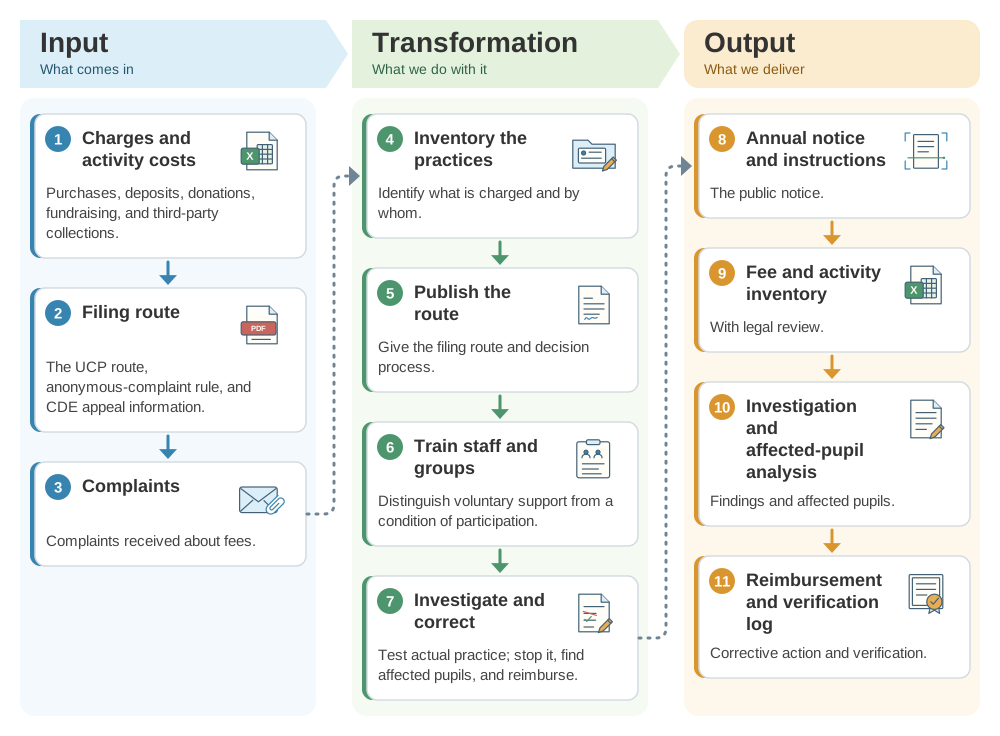
Investigate against actual practice, and if a complaint has merit, reimburse affected pupils. This SDLA ITO (Input, Transformation, Output) graphic shows how charges, purchases, deposits, fundraising, and the complaints received become the notice and inventory, the investigation record, and the reimbursement and verification log.
Operational workflow
- Inventory charges, purchases, deposits, donations, fundraising, activity costs, and third-party collection practices.
- Publish the pupil-fee UCP filing route, anonymous-complaint rule, local decision process, and CDE appeal information.
- Train staff and parent organizations to distinguish lawful voluntary support from a condition of educational participation.
- Investigate any complaint against actual practice and communications, not only the written policy.
- When meritorious, stop the practice, identify all affected pupils, reimburse through reasonable efforts, and verify correction.
If the requirement is missed
The LEA may need to reimburse families and correct a systemic practice; CDE can review an appeal. The process is designed to restore free access, not punish a family for raising the concern.
Evidence to retain
- Annual notice and public complaint instructions
- Fee/activity inventory and legal review
- Forms, messages, vendor and parent-group instructions
- Complaint investigation and affected-pupil analysis
- Reimbursement, corrective action, and verification log
Official guidance and help
- Education Code section 49013UCP and remedy requirements for unlawful fees
- CDE Unlawful Pupil Fees AppealsCurrent filing, appeal, and remedy information
- CDE Uniform Complaint ProceduresGeneral state process
Source review completed August 30, 2026. Verify current federal and California law, official guidance, local policy, named contacts, language and disability access, and the facts of the individual matter before acting.