



SDLA Compliance Resource
Annually Notify Pregnant and Parenting Pupils of Their Educational Rights
A rights-and-accommodations notice for protecting continued access, medically necessary absence, parental leave, return to status, lactation needs, credit, and complaint routes.
In Plain Language: Pregnancy or parenting does not end a student's right to participate in school. The notice should explain available accommodations, excused medically necessary absences, parental leave, return to the same academic and extracurricular status, make-up work, lactation support, and how to ask for help or complain.
Why this matters
Students may withdraw or lose credit because they assume absence, recovery, childcare, or lactation needs cannot be accommodated. A useful notice reaches students before a crisis and connects rights to a named person who can act.
Joint ownership
Owner: Title IX/equity coordinator. Partners: school administration, counseling, attendance, health, independent study, special education/504, athletics/activities, records, and UCP staff.
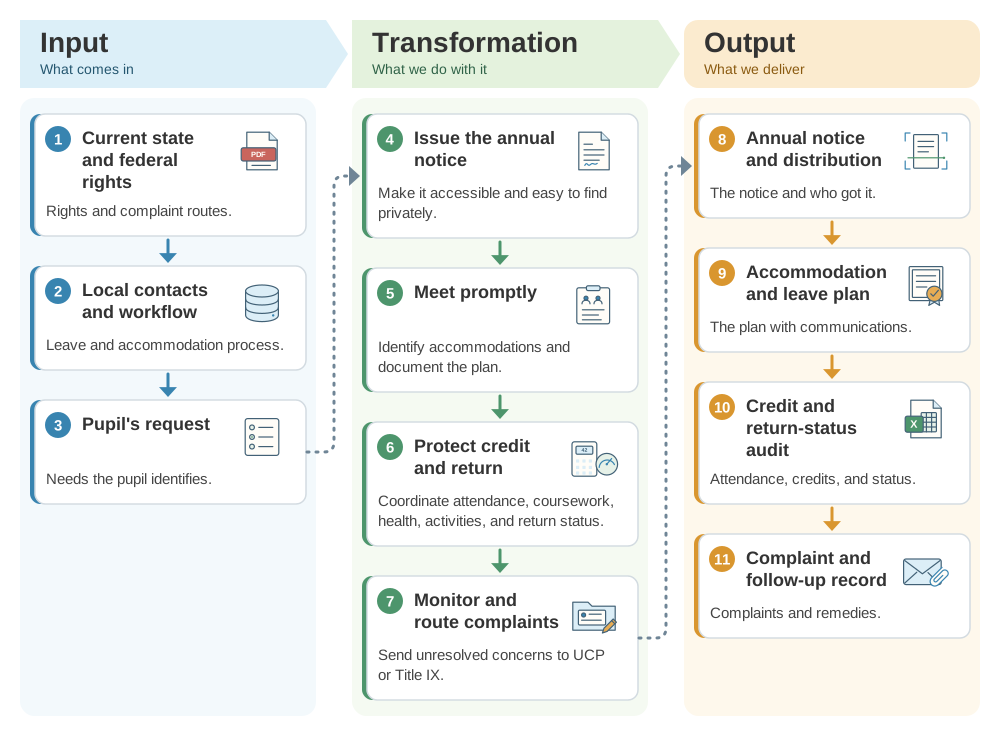
From annual notice to accommodations for pregnant and parenting pupils: the SDLA ITO workflow
Pregnancy or parenting does not end a pupil's right to participate, so the notice and the individual plan both matter. This SDLA ITO (Input, Transformation, Output) graphic shows how current rights, local contacts, and each pupil's request become the notice record, the individual plan, and the credit and return-status audit.
Operational workflow
- Confirm current state and federal rights, local contacts, leave/accommodation workflow, and complaint routes.
- Issue an accessible annual notice to pupils and parents/guardians and make it easy to find privately.
- When a need arises, meet promptly, identify requested accommodations, document the plan, and coordinate attendance, coursework, health, and activities.
- Protect credits and return status; ensure lactation and other campus supports are actually available.
- Monitor implementation and route unresolved discrimination or accommodation complaints through the appropriate UCP and/or Title IX process.
If the requirement is missed
A school may need to restore access or status, correct attendance or credit, provide missed services, revise practices, and train staff. Families may use UCP and may also contact OCR for federal Title IX concerns.
Evidence to retain
- Annual notice and distribution record
- Individual accommodation/leave plan and communications
- Attendance, credit, coursework, and return-status audit
- Lactation/accessibility support verification
- Complaint, remedy, and follow-up record
Official guidance and help
- Education Code section 222.5Notice and pregnant/parenting pupil rights
- Education Code section 46015Parental leave and educational protections
- CDE UCP ScopePregnant and parenting accommodations under UCP
- 34 CFR Part 106Federal Title IX regulations
Source review completed August 30, 2026. Verify current federal and California law, official guidance, local policy, named contacts, language and disability access, and the facts of the individual matter before acting.