


SDLA Compliance Resource
Reconcile Every CAASPP-Eligible Student Before the Window Closes
A compact exception workflow for matching enrollment, grade, IEP assignment, exemption, test completion, condition codes, and make-up opportunity.
In Plain Language: Build an eligible roster, compare it with TOMS and completion data, resolve each exception, and retain the reason a required component is complete, pending, excused, not applicable, or incident-controlled.
Why this matters
A missing test may reflect a data handoff—not student refusal. Reconciliation prevents enrollment, grade, alternate assignment, accessibility, incident, and make-up errors from becoming unexplained nonparticipation.
Joint ownership
Owner: LEA CAASPP coordinator. Partners: site coordinators, CALPADS/registrars, special education, technology, teachers, and attendance.
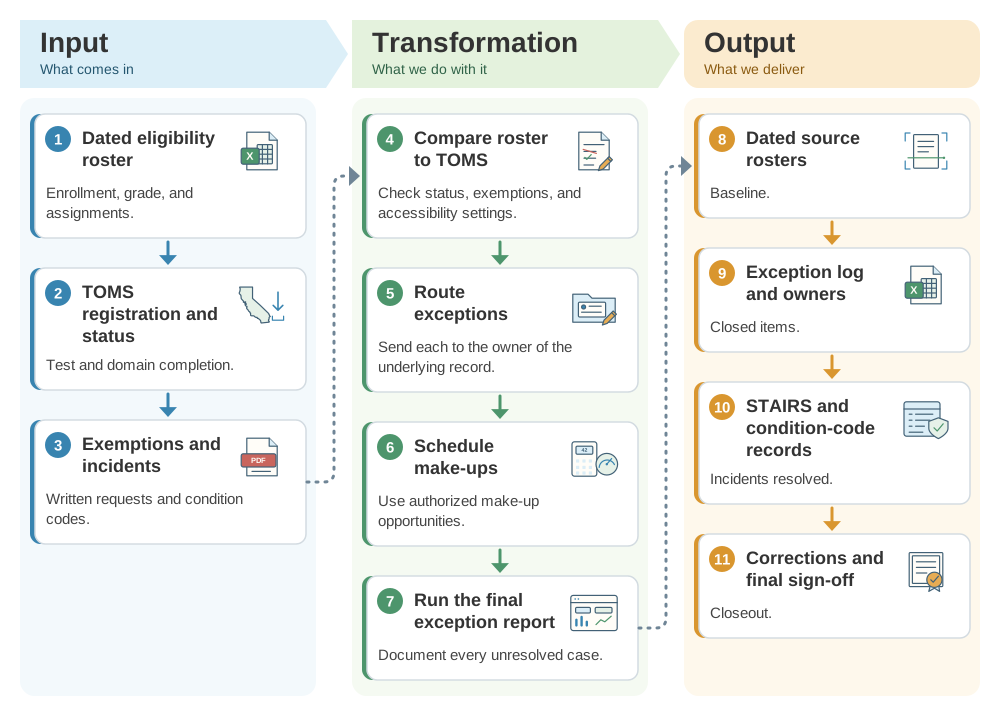
From a frozen eligibility roster to final CAASPP participation sign-off: the SDLA ITO workflow
Every eligible student is matched to TOMS and every unresolved case has a documented reason. This SDLA ITO (Input, Transformation, Output) graphic shows how a dated eligibility roster, TOMS registration and completion data, and written exemptions become the exception log, the STAIRS and condition-code records, and the final sign-off.
Operational workflow
- Freeze a dated eligibility roster from current enrollment/grade and assessment assignments.
- Compare roster to TOMS registration, test/domain status, exemptions, incidents, and accessibility settings.
- Route exceptions to the partner who owns the underlying record and schedule authorized make-ups.
- Run a final exception report; document every unresolved case and correction submitted.
Reconciliation loop
Evidence to retain
- Dated source rosters
- Exception log and owner
- Written exemptions
- STAIRS/condition-code records
- Correction and final sign-off
Official guidance and help
- CDE Dashboard Academic IndicatorCurrent participation treatment
- CDE Accessibility ResourcesCurrent supports and matrix
- CDE CAASPP Administration NoticeAnnual administration information
Source review completed August 30, 2026. Verify current federal and California law, CDE and test-contractor manuals, local board policy, adopted instruments, individual student circumstances, and live system status before acting.