



SDLA Compliance Resource
Adopt the 2026–27 School-District Budget After the LCAP
A public-hearing and governing-board control that aligns the adopted financial plan with the already adopted LCAP and the expenditures needed to implement it.
In Plain Language: Complete the required public inspection, notice, and hearing process; adopt the applicable LCAP first; then adopt the state-format budget with the expenditures needed to implement the LCAP and multiyear obligations.
Why this matters
The LCAP describes promised actions and services; the budget supplies the authority and resources to carry them out. Sequential adoption prevents a financial plan from silently contradicting the public accountability plan.
Primary ownership
Primary owner: chief business official with superintendent. Handoff partners: LCAP lead, governing board/clerk, fiscal staff, program owners, county fiscal oversight, communications, and records.
From drafts to adopted plans: the SDLA ITO workflow
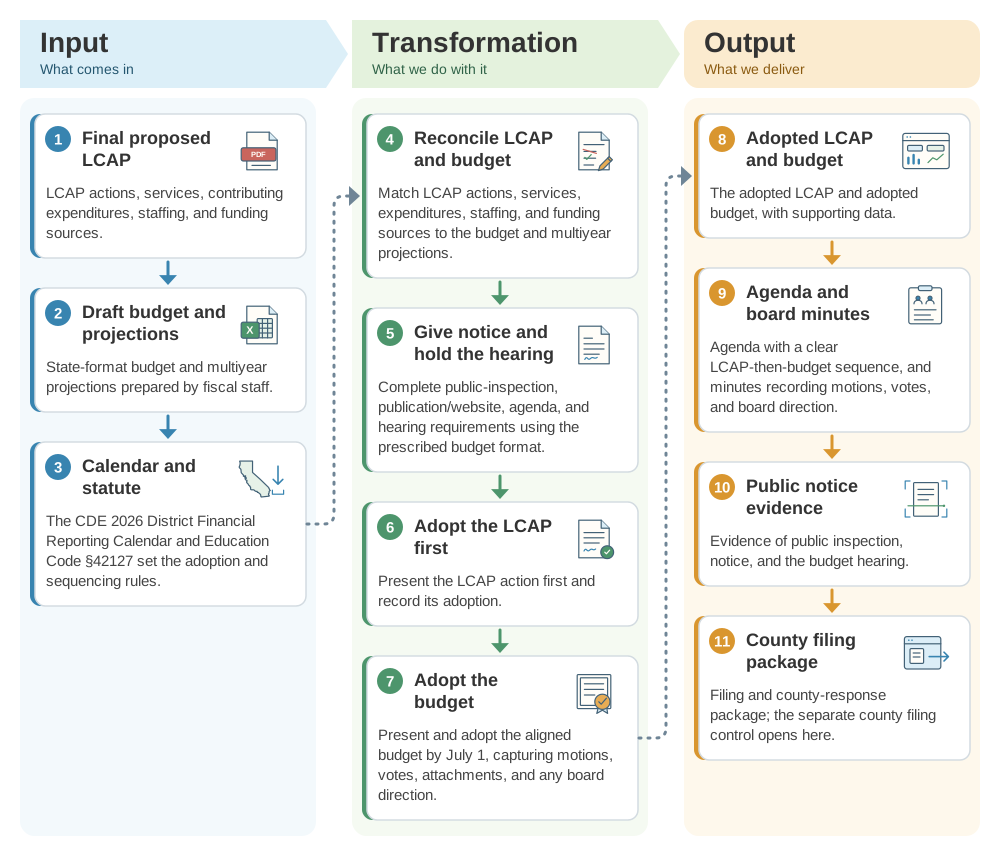
The budget adoption is the end of a sequence that starts with a proposed LCAP and a draft budget. This SDLA ITO (Input, Transformation, Output) graphic shows how the LCAP, the budget and projections, and the CDE calendar and statute become public notice, an LCAP-first adoption, an aligned budget adoption, and a county filing package.
Operational workflow
- Reconcile the final proposed LCAP actions, services, contributing expenditures, staffing, and funding sources to the budget and multiyear projections.
- Complete public-inspection, publication/website, agenda, and hearing requirements using the prescribed budget format.
- Present the LCAP action first and record its adoption.
- Present and adopt the aligned budget by July 1; capture motions, votes, attachments, and any board direction.
- Open the separate county filing control and prepare for county review and 45-day state-budget revisions.
Implementation pathway
Evidence to retain
- Reconciliation crosswalk
- Public notice/inspection evidence
- Agenda and board minutes
- Adopted budget/supporting data
- Filing and county-response package
Official guidance and help
- CDE 2026 District CalendarCurrent adoption and sequencing rules
- CDE Budget StatusOversight and approval context
- Education Code section 42127Controlling district budget statute
Source review completed August 30, 2026. Verify current federal and California requirements, CDE/FCC guidance, local policy, public-meeting procedures, records, and final submitted or adopted state before acting.