Dibels
Overview
- Overview
-
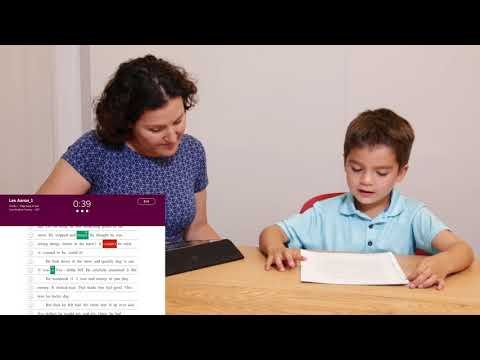
DIBELS is a set of brief literacy measures used for screening and progress monitoring. Educators administer standardized tasks, score student responses, and review results to identify reading-support needs and monitor progress. The University of Oregon maintains DIBELS 8th Edition materials for school use.
Standardized tasks, administration dates, and scoring procedures define the literacy evidence. Reading teams preserve the specific edition and measure when monitoring progress or combining results with other student information. Data teams preserve the original measure and scoring context when results are matched with other records. Scores from different instruments are not automatically interchangeable.
Features
- Features
-
Literacy measurement
- Screens or diagnoses defined reading skills and provides scores, benchmarks, risk indicators, or skill profiles.
- Supports benchmark testing and, where offered, more frequent progress monitoring.
Instructional response
- Provides reports for grouping, intervention planning, goal setting, and monitoring response to instruction.
- Staff need training in administration, scoring, interpretation, and appropriate follow-up.
Student Data Privacy
- Student Data Privacy
-
Review the Common Sense Privacy Rating:
N/A
Dibels Privacy Policy:
https://secure-u.uoregon.edu/uo-privacy-notice?utm_source=banner-module&utm_campaign=banner
Signed California Student Data Privacy Agreement?
No records found in SDPC Registry
Company News
- Company News
Interoperability
Sign-on, rostering, and file exchange methods
Select a connector to see every product that supports it.
The research-based subtests are predictive of later reading proficiency and contribute to a composite score that is the single best predictor of later reading development. The measures are consistent with many of the Common Core State Standards in Reading, especially those for Foundational Skills. Combined, the measures form an assessment system of early literacy development that allows educators to readily and reliably determine student progress in kindergarten through eighth grade.
Note: SDLA does not endorse or resell any products listed on the site. They are listed simply to aid in the development of integration resources for school district ed-data leaders.
Media
Videos